EU's Ambitious Huawei Removal Plan and Its Economic Implications
Related Analysis
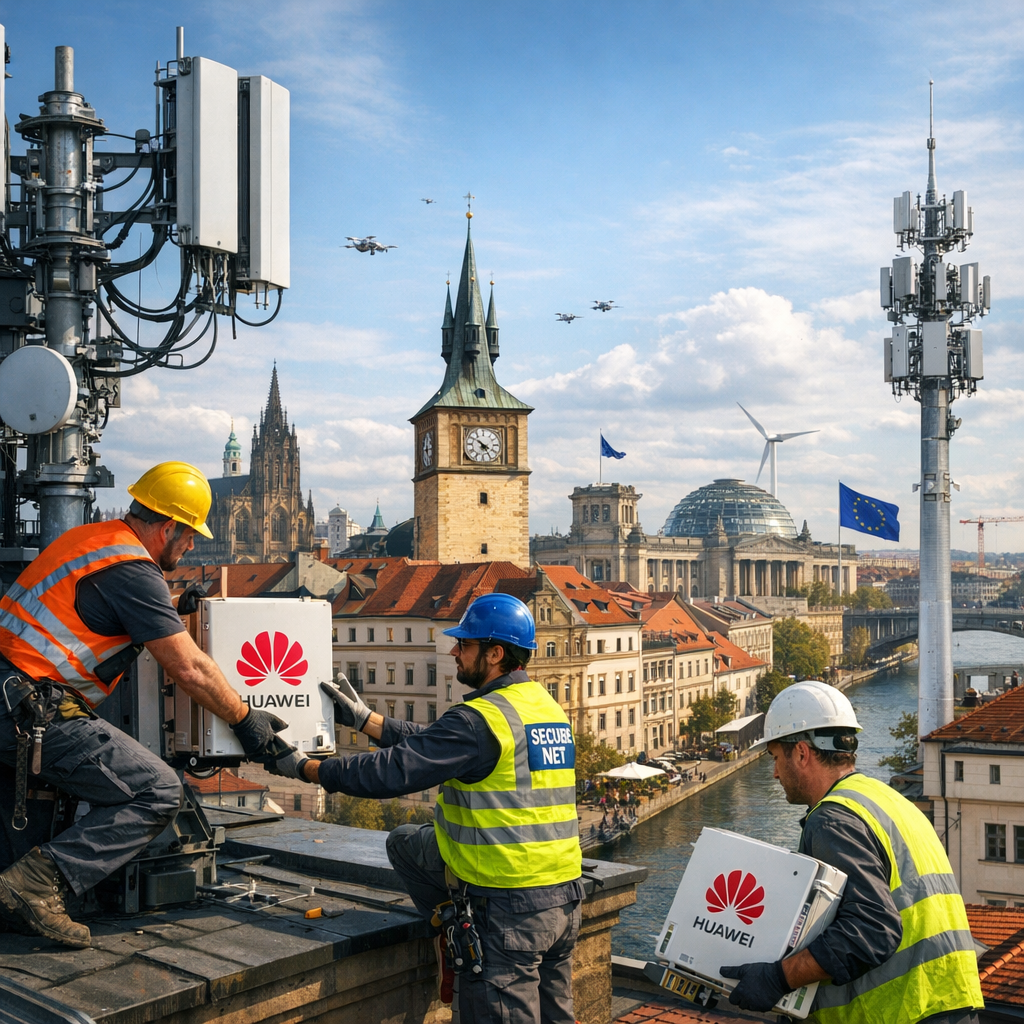
In a bold move towards securing its telecommunications infrastructure, the European Union has embarked on a mission to remove Huawei equipment from its networks. While the intentions behind this significant policy shift are clear, the financial implications have sparked considerable debate.
Financial Estimates and Discrepancies
The GSMA, a global association representing mobile network operators, has projected the cost of this removal to be a staggering €40 billion. This figure starkly contrasts with earlier estimates provided by the European Commission, raising questions about the accuracy and transparency of initial projections. Such discrepancies have fueled ongoing discussions about the true financial burden of this decision on European taxpayers.
In a statement released earlier this year, the European Commission acknowledged the challenges but maintained that the move was crucial for long-term technological sovereignty and security. However, they had initially downplayed the financial burden, citing a much lower cost estimation. Critics argue that this underestimation could lead to unexpected budgetary strains for member states.
Member States' Reactions
Reactions from various EU member states have been mixed. Some countries, heavily reliant on Huawei's technology, have expressed concerns about the feasibility of the transition within the proposed timelines. These nations argue that the financial and logistical challenges could outweigh the perceived security benefits.
Conversely, others see this as an opportunity to bolster local technology industries and reduce dependency on foreign technology providers. For instance, countries like Germany and France have already started investing in homegrown alternatives, viewing this transition as a strategic pivot towards self-reliance.
The Broader Economic Impact
Replacing Huawei equipment is not just about swapping out hardware; it involves a comprehensive overhaul of existing systems. This process requires substantial investment in new technologies, training for personnel, and potential disruptions in service during the transition phase.
Moreover, the ripple effect of this decision extends beyond the telecommunications sector. Industries reliant on stable and secure networks might face temporary setbacks, affecting everything from banking to healthcare.
Looking Towards the Future
While the immediate financial outlay might appear daunting, proponents argue that this move positions the EU for long-term strategic benefits. By reducing dependency on non-EU technology providers, the region aims to foster innovation, enhance security, and ensure that its digital infrastructure aligns with its geopolitical goals.
Furthermore, this transition could serve as a catalyst for the development of a robust European technology ecosystem, creating opportunities for local businesses and tech startups. The potential for innovation in fields such as 5G, cybersecurity, and digital infrastructure is vast, and the EU's decision could spur significant advancements in these areas.
Conclusion
The EU's decision to remove Huawei equipment from its networks is a landmark moment in its pursuit of technological independence and security. While the financial implications are substantial and have sparked considerable debate, the strategic benefits could outweigh the immediate costs. As Europe navigates this complex transition, the world watches closely, understanding that the outcomes could reshape global telecommunications dynamics.
Ultimately, the success of this endeavor will depend on the EU's ability to manage the financial, logistical, and political challenges effectively. It will require a concerted effort from member states, industry stakeholders, and the European populace to ensure that the vision of a secure and independent telecommunications infrastructure becomes a reality.