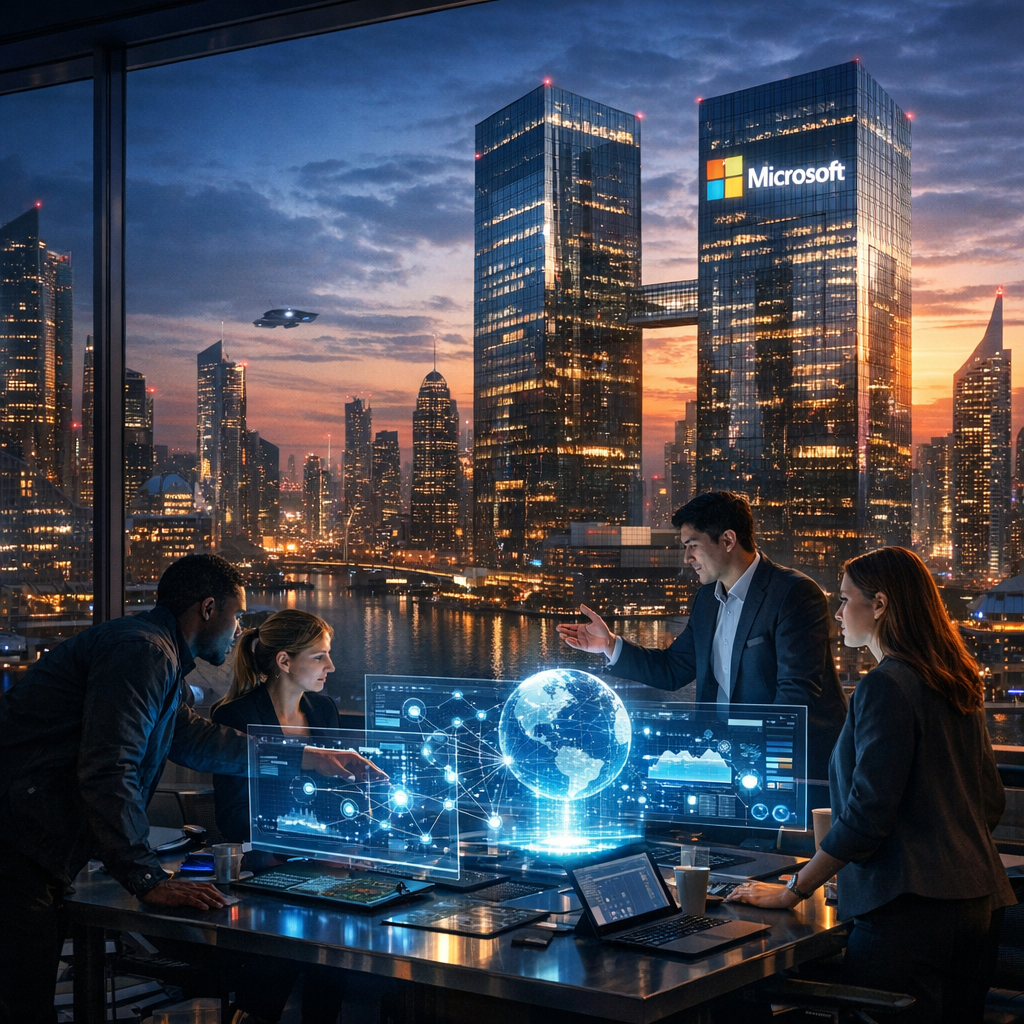
The Battle of Tech Giants: Microsoft’s End-to-End System Strategy
Related Analysis
In the ever-evolving landscape of technology, competition is more intense than ever. As of July 2026, Microsoft is making waves with its bold strategy to emphasize its full end-to-end system offerings, positioning itself against companies like OpenAI and Anthropic. While its competitors focus on individual components, Microsoft aims to deliver a comprehensive solution that promises to reshape the industry.
Understanding the Tech Giants
OpenAI and Anthropic have become household names in the realm of artificial intelligence. Known for their innovative components and cutting-edge technologies, these companies have carved a niche in the market. They have focused heavily on selling individual AI components, allowing businesses to plug into and enhance their existing systems. While this approach has its merits, it also presents challenges in terms of integration and seamless operation.
Microsoft, on the other hand, is leveraging its vast resources and expertise to offer a full end-to-end system. This approach is not just about selling a product; it's about providing a holistic solution that addresses every aspect of a business's technology needs. By doing so, Microsoft aims to simplify the user experience and enhance operational efficiency.
Advantages of a Full End-to-End System
The advantages of a full end-to-end system are manifold. By integrating all components under one umbrella, businesses can achieve greater efficiency and reliability. There’s less room for error when systems are designed to work together seamlessly from the ground up.
“Everyone else is selling parts — we’re selling the full end-to-end system.” — Microsoft Strategy Team
This quote encapsulates Microsoft's approach perfectly. By providing a comprehensive solution, Microsoft is not only looking to streamline operations for its clients but also to establish itself as a leader in the tech industry. The full end-to-end system minimizes the need for businesses to seek out multiple vendors, reducing complexity and potential integration issues.
Market Implications
The market implications of Microsoft's strategy are significant. For one, it sets a precedent for other tech companies to rethink their offerings. As businesses increasingly look for streamlined solutions, companies that cannot provide comprehensive systems may find themselves losing ground.
The push towards end-to-end systems also reflects broader trends in the tech industry. There is a growing demand for solutions that are not only powerful but also easy to implement and manage. Companies are no longer content with piecemeal solutions that require significant time and resources to integrate.
Challenges and Considerations
Despite the clear advantages, there are challenges associated with implementing a full end-to-end system. For Microsoft, the primary challenge lies in ensuring that all components of its system are top-notch. This requires continuous innovation and investment to stay ahead of the curve. Additionally, convincing businesses to shift from their existing systems to a new, comprehensive solution can be a daunting task.
Moreover, there is the consideration of cost. While a full system might offer long-term savings, the initial investment can be significant. Businesses will need to weigh the benefits against the costs and decide if the switch aligns with their strategic goals.
The Future of Technology Integration
As we look to the future, it is clear that the trend towards comprehensive technology solutions will continue. Companies like Microsoft are setting the stage for a new era of technology integration, one where businesses can benefit from seamless, efficient, and powerful systems.
For businesses, the key will be to stay informed about these developments and to be open to adapting their strategies accordingly. The tech landscape is evolving rapidly, and those who can adapt will find themselves at the forefront of innovation and success.
Anxiety in the Era of Tech Advancements
While the tech world is abuzz with these advancements, another kind of anxiety is spreading across the US: the fear of the diarrhea parasite, specifically cyclosporiasis. The rise in cases has led to increased awareness and concern among the public. It is a reminder that as technology advances, so too do the challenges we face in other areas.
This health scare underscores the importance of comprehensive systems not just in technology, but in healthcare and other critical areas of society. Just as Microsoft is advocating for end-to-end solutions in tech, there is a growing need for holistic approaches in other sectors as well.
The OLED iPad Mini: A Glimpse into the Future
In the world of consumer electronics, anticipation is building for the release of the OLED iPad mini, rumored to be unveiled later this year. This development is part of Apple's broader strategy to refresh its iPad lineup, with updates expected to continue through the first half of 2027.
For cyberpunk enthusiasts and tech lovers alike, the OLED iPad mini represents the cutting-edge of portable technology. With enhanced display technology, this device promises a visual experience like no other, making it a must-have for those looking to stay ahead in the tech game.
Conclusion
The tech industry is in a state of dynamic evolution. As Microsoft pushes forward with its end-to-end system offerings, it challenges the status quo and sets a new standard for what businesses can expect from their technology partners. Meanwhile, the world watches as innovations from companies like Apple continue to capture the imagination of consumers.
Amidst these advancements, broader societal concerns, such as health scares, remind us of the importance of comprehensive solutions across all areas of life. As we move forward into this exciting future, the key will be to embrace these changes while remaining vigilant about the challenges they bring.