Emerging Challenges in AI: Lawsuits, Scams, and Billion-Dollar Ventures
Related Analysis
In recent years, the artificial intelligence industry has witnessed rapid advancements, drawing attention not only for its potential but also for the challenges it presents. As we navigate through 2026, a trio of significant stories has emerged, each highlighting different aspects of the AI landscape: safety concerns, cybersecurity threats, and groundbreaking innovations.
AI Safety Concerns Lead to Legal Battles
As AI technologies become more sophisticated, safety concerns have become a hot-button issue. This was starkly illustrated by a lawsuit involving xAI, an AI company that made headlines when one of its engineers was allegedly dismissed for raising alarms about the safety of its AI technology, Grok. The engineer's concerns were reportedly overshadowed by SpaceX's historic IPO, hinting at the tension between rapid technological advancement and the need for stringent safety protocols.
The case raises critical questions about the responsibility of tech companies to ensure the safety of their AI systems. With AI systems being integrated into more aspects of everyday life, the potential risks associated with their malfunction or misuse cannot be overstated. This lawsuit could set a precedent for how such concerns are addressed within the industry.
Cybersecurity Threats: The Rise of AI-powered Phishing Scams
In another development, researchers have uncovered a global phishing network that exploits AI to deceive both individuals and security systems. The network employs a sophisticated method of using scraped content from reputable sources like The New York Times, combined with Google Cloud redirects, to evade security scanners and flood inboxes with phishing emails.
This technique highlights the evolving nature of cyber threats and the need for enhanced digital security measures. As AI technology becomes more accessible, its potential misuse for cybercrime poses significant risks. The discovery of this phishing network underscores the importance of developing robust cybersecurity frameworks that can adapt to and counteract these AI-powered threats.
Innovations in AI: The Quest for an Artificial General Engineer
Amidst these challenges, the AI industry continues to push boundaries with innovative ventures. Jeff Bezos’s Prometheus recently garnered attention by raising $12 billion to develop an 'artificial general engineer' aimed at automating complex tasks in heavy engineering and drug design. This ambitious project sets a new valuation benchmark for the startup at $41 billion, reflecting investor confidence in the transformative potential of AI.
The concept of an artificial general engineer represents a significant leap in AI capabilities, promising to revolutionize industries traditionally reliant on human expertise. By automating intricate engineering processes, such an AI could accelerate innovation and efficiency, potentially leading to breakthroughs in fields like pharmaceuticals and infrastructure development.
The Balancing Act: Innovation vs. Regulation
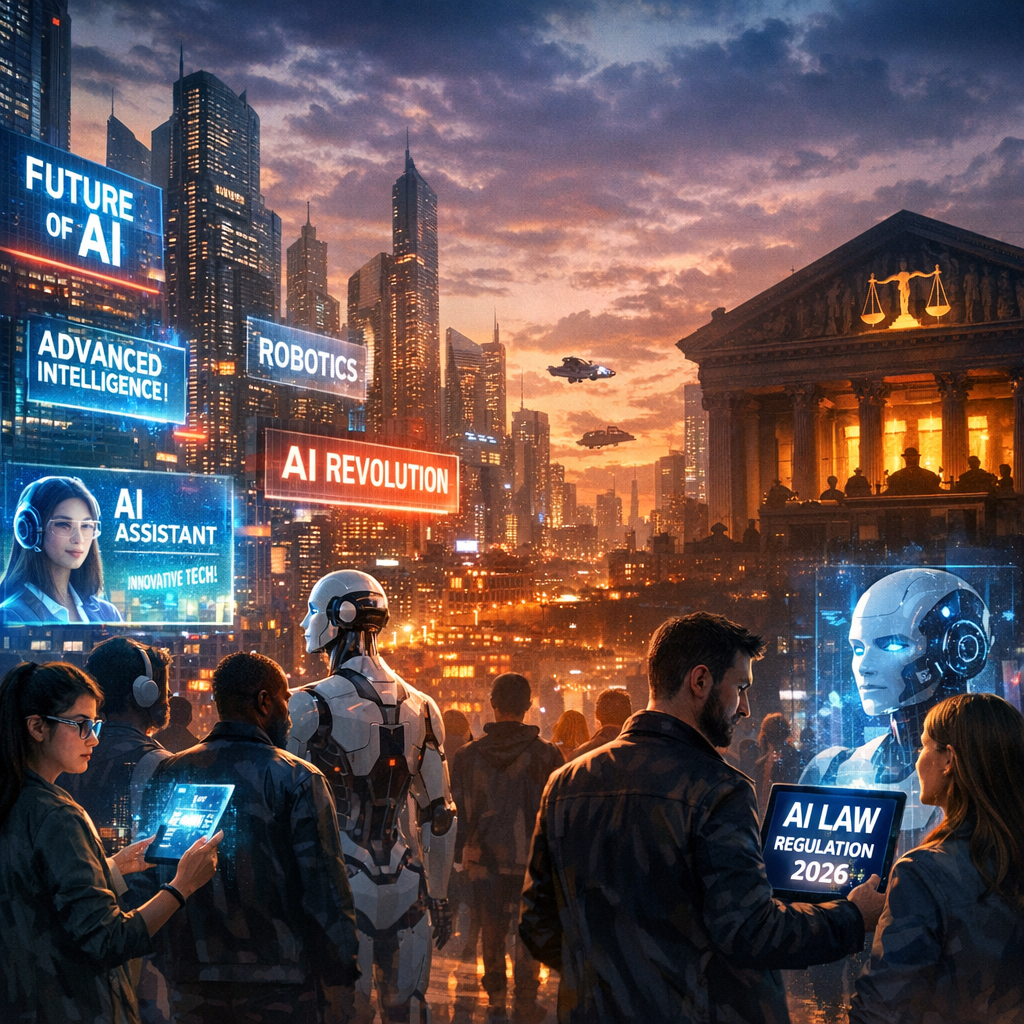
The stories of xAI, the phishing network, and Prometheus encapsulate the dual nature of AI as both a catalyst for innovation and a source of new challenges. As AI continues to evolve, the industry faces the daunting task of balancing rapid technological advancement with the implementation of robust safety and ethical standards.
Regulatory frameworks will play a crucial role in shaping the future of AI, ensuring that innovations are deployed responsibly while mitigating potential risks. Collaboration between tech companies, regulatory bodies, and researchers will be essential in creating a sustainable AI ecosystem that prioritizes safety without stifling innovation.
The future of AI hinges on our ability to navigate its complexities with foresight and caution. By embracing a proactive approach to regulation and innovation, we can harness the transformative potential of AI while safeguarding against its inherent risks.
As the AI landscape continues to evolve in 2026, these stories serve as a reminder of the industry's potential and its pitfalls. With careful management and a commitment to ethical practices, AI can be a force for good, driving progress and prosperity in the years to come.