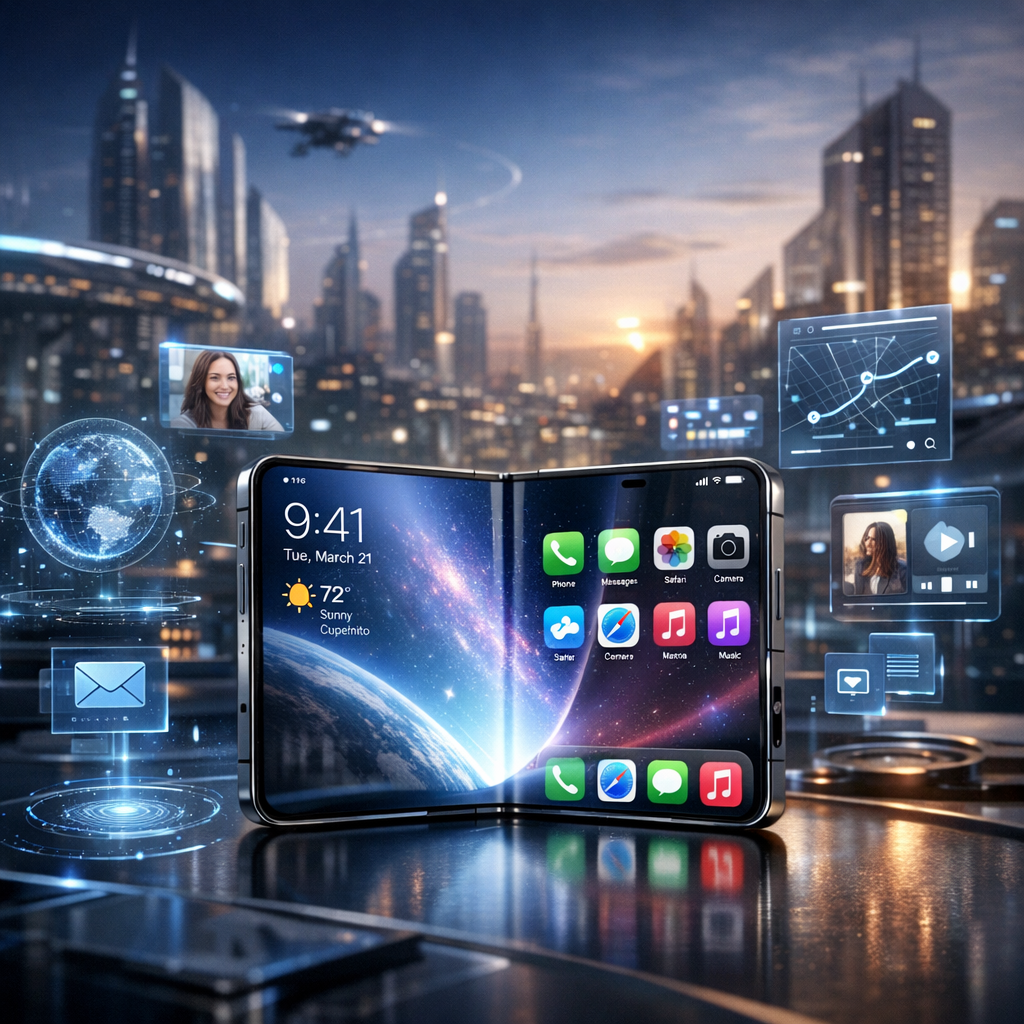
The Future of Foldables: How Apple's iPhone Ultra Could Revolutionize the Market
Related Analysis
The buzz surrounding Apple's potential entry into the foldable phone market has reached a fever pitch, with rumors swirling around the anticipated launch of the iPhone Ultra. While most people don't wake up yearning to buy a foldable phone, the introduction of an Apple foldable could change the game entirely.
Apple's Unique Position in the Market
Apple's track record for innovation and market influence is undeniable. When the company adopts a new technology, it often sets a precedent that others follow. The same could be true for foldables. Currently, foldable phones are a niche market, with tech enthusiasts as the primary audience. However, Apple's entry with the iPhone Ultra could broaden the appeal significantly.
Apple has a history of perfecting existing technologies. They may not always be the first to market, but their products often redefine their categories. This approach could be pivotal in making foldables mainstream. The company's reputation for seamless integration of hardware and software could address many of the current shortcomings of foldable devices.
Beyond the Hardware: The Ecosystem Advantage
One of Apple's greatest strengths is its ecosystem. The synergy between devices such as the iPhone, iPad, Mac, and Apple Watch provides users with a cohesive experience. This ecosystem creates a compelling reason for customers to stay within the Apple family, and the iPhone Ultra would likely benefit from this integration.
Imagine a foldable phone that seamlessly interacts with your other Apple devices, offering unique features that enhance productivity and entertainment. This potential could entice consumers who are already invested in Apple's ecosystem to adopt the new technology, thus driving mainstream adoption.
Addressing Consumer Hesitations
One of the hurdles for foldables is consumer hesitation. Concerns about durability, cost, and practicality have kept many potential buyers at bay. Apple's brand strength could alleviate these concerns. The company's focus on quality and user experience could result in a durable, user-friendly foldable that addresses these issues.
Moreover, Apple's marketing prowess should not be underestimated. The company has a knack for creating a narrative around its products that resonates with a wide audience. By effectively communicating the benefits and use cases of a foldable iPhone, Apple could make foldables more appealing to the general public.
The Role of Timing and Market Readiness
The timing of Apple's entry into the foldable market could also be significant. As the technology matures and production costs decrease, foldables could become more accessible to consumers. Apple's previous successes suggest that it is likely to enter the market when it is most advantageous, balancing innovation with practicality.
By waiting until 2026, Apple could be poised to offer a product that combines cutting-edge technology with the stability and reliability consumers expect from the brand. This strategic timing could ensure that the iPhone Ultra is not only innovative but also a practical choice for consumers.
Conclusion: A New Era for Smartphones?
As the tech world eagerly anticipates Apple's next move, the potential impact of the iPhone Ultra on the foldable market cannot be overstated. If past performance is any indication, Apple's entry into the foldable space could redefine the market, making foldable phones a mainstream choice for consumers.
While the hardware will undoubtedly be impressive, it's Apple's ecosystem, marketing, and timing that could truly revolutionize the adoption of foldables. As we look to the future, the iPhone Ultra could be the catalyst that propels foldable phones into the mainstream, changing the way we interact with technology.