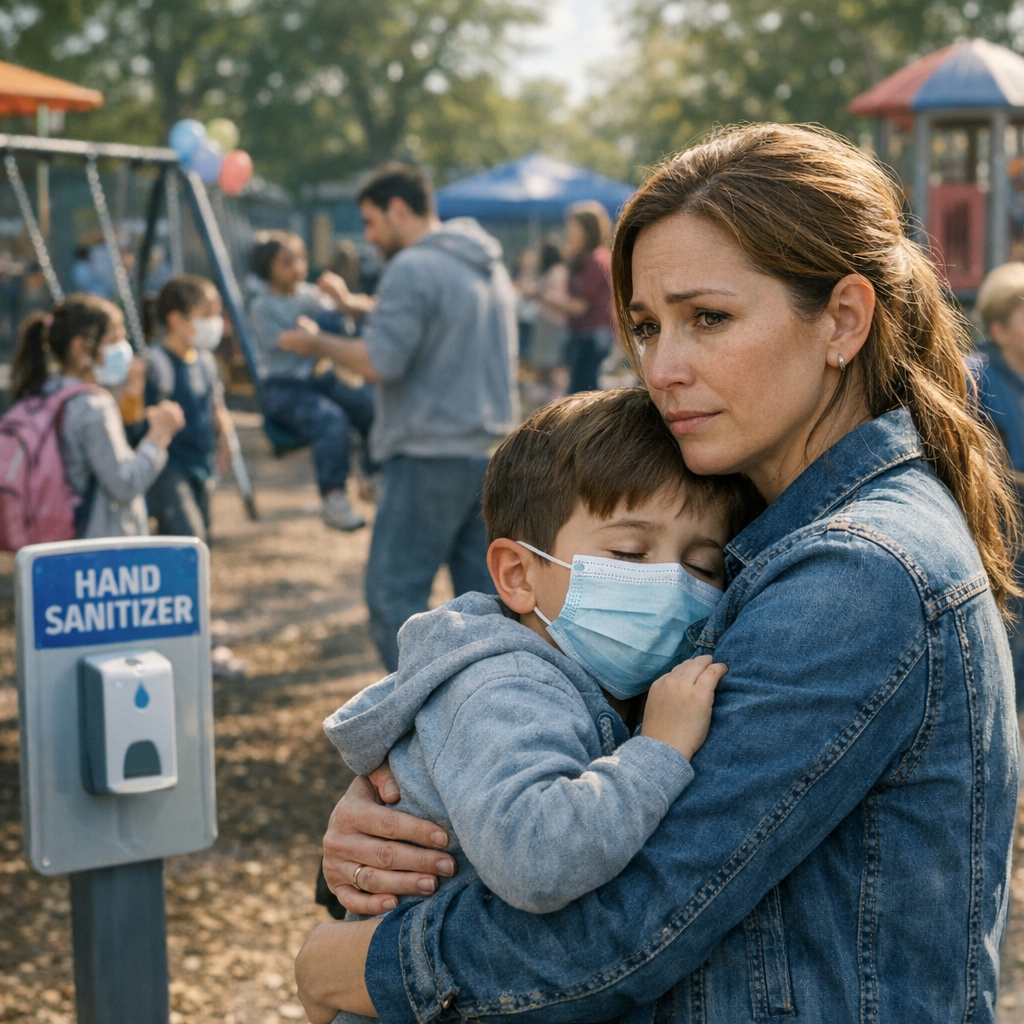
Navigating Public Spaces: Challenges for Parents of Immunocompromised Children During Measles Outbreaks
Related Analysis
As schools reopen this fall, parents of immunocompromised children face difficult decisions due to increasing measles outbreaks. With the virus’s contagious nature, the risk of exposure in public spaces, including schools, has grown, prompting parents to carefully consider their children's safety and social needs.
Rising Risks of Measles
Measles, a highly contagious viral disease, had been largely contained due to widespread vaccination efforts. However, recent vaccine hesitancies and outbreaks have reversed some of this progress. According to the latest reports from 2026, outbreaks have been recorded across several states, making it an urgent public health concern once again.
For immunocompromised children, who cannot receive live vaccines like the MMR (Measles, Mumps, and Rubella), the risk of contracting measles is significant. These children depend on herd immunity to remain safe, which becomes challenging when vaccination rates drop.
Impact on Families
Parents of immunocompromised children are faced with a dilemma: how to balance their children’s need for social interaction and education with the potential health risks. Many have resorted to homeschooling or virtual learning, but this is not a feasible solution for all families, as it requires significant time and resources.
“It’s a constant worry,” says Linda, a parent of a child with a compromised immune system. “I want her to have a normal childhood, but her health comes first. We have to weigh every outing, every event, and every school day carefully.”
These challenges are compounded by the difficulties in accessing reliable information and the varying safety measures implemented by schools. Some schools have instituted strict vaccination policies, while others have not, leaving parents to make decisions with incomplete information.
Guidance and Support
Health organizations continue to emphasize the importance of vaccination, not only for the protection of the individual but also for the community at large. In 2026, new guidelines have been introduced, encouraging schools to adopt more stringent vaccination requirements to protect vulnerable populations.
Support groups and online communities have become invaluable for parents seeking advice and shared experiences. These platforms allow parents to share strategies, resources, and emotional support as they navigate these challenging times.
Technological Solutions
As parents grapple with these decisions, technology offers some solutions. Applications and tools designed to track vaccination rates and outbreaks in local areas provide parents with better information to make informed decisions. Additionally, telehealth services have become more widespread, offering medical advice without requiring in-person visits.
- Outbreak tracking apps: Keep parents informed about local measles cases.
- Telehealth services: Provide medical consultations remotely.
- Online educational platforms: Assist with homeschooling needs.
Conclusion
As we move through 2026, the challenges posed by measles outbreaks require a concerted effort from communities, schools, and health organizations to protect the most vulnerable. For parents of immunocompromised children, these times call for resilience, informed decision-making, and the support of a community committed to safeguarding public health.
By prioritizing vaccinations and leveraging technology, there is hope that these difficult choices can be navigated more effectively, ensuring that all children can enjoy safer environments both in school and beyond.