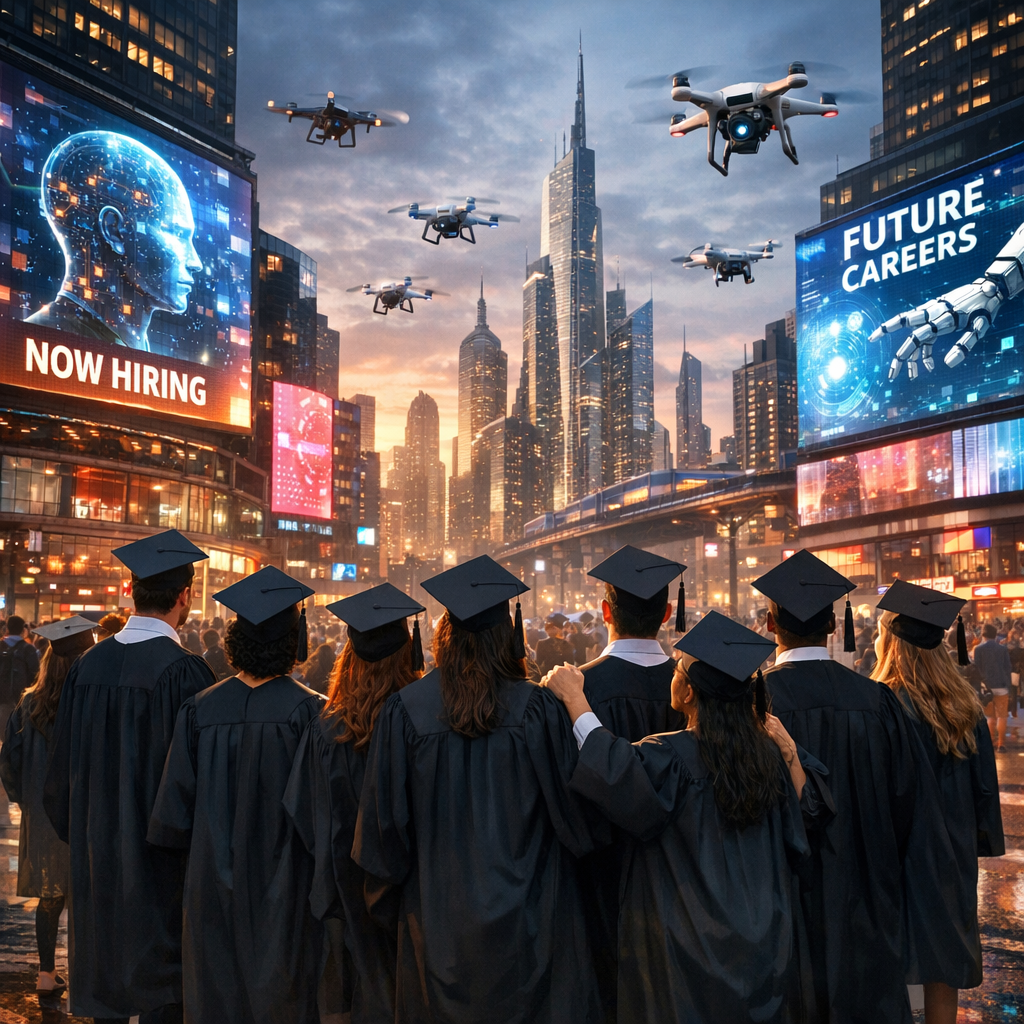
Exploring the Dynamics Behind Graduate Hiring and the Influence of AI
Related Analysis
In recent years, the landscape of graduate hiring has been subjected to intense scrutiny. Many have pointed fingers at artificial intelligence, attributing the challenges faced by new graduates in securing employment largely to the rise of AI technologies. However, a closer examination of the data provided by the New York Federal Reserve Bank suggests that the root causes of these hiring challenges might be more complex than initially thought. This article delves into the multifaceted dynamics affecting graduate hiring prospects, exploring the role of AI and other influencing factors.
The Longstanding Challenges in Graduate Employment
While the advent of AI has undeniably transformed various industries, attributing the rise in graduate unemployment solely to AI would be an oversimplification. According to data from the New York Federal Reserve Bank, the rise in graduate unemployment actually began before AI technologies became prevalent in the job market. This indicates that other factors may have been at play long before AI started making headlines.
One possible factor could be the evolving nature of the job market itself. As industries shift and adapt to new technologies and methodologies, the skills required by employers also change. Graduates might find themselves lacking the specific skill sets that are in demand, leading to a disconnect between their qualifications and the needs of employers.
AI: A Convenient Scapegoat or Genuine Concern?
Although AI is often blamed for disrupting traditional job roles, it's important to recognize the potential benefits it brings to the job market. AI technologies can streamline processes, improve efficiency, and even create new job categories. The key is to balance the integration of AI with human skills, leveraging technology to augment rather than replace human capabilities.
Moreover, AI can play a crucial role in enhancing the recruitment process itself. Automated systems can help identify the most suitable candidates for specific roles, reduce human bias in hiring, and facilitate a more efficient talent acquisition process. This suggests that AI, when used responsibly, can be a valuable tool rather than a hindrance in the job market.
Job Perks and Their Impact on Employment Patterns
An often-overlooked aspect of the graduate employment landscape is the role of job perks and benefits. In an increasingly competitive job market, companies are using attractive perks to lure top talent. This shift in focus from traditional salary-based compensation to a more holistic approach that includes benefits such as flexible working hours, professional development opportunities, and wellness programs is reshaping employment patterns.
However, this change also means that graduates might prioritize companies offering these perks, potentially leading to a mismatch between available positions and candidate expectations. Employers that fail to adapt to this trend may find it challenging to attract the best talent, contributing to the perceived issue of graduate unemployment.
The Broader Implications of U.S. Sanctions on China's Tech Industry
In a different yet equally significant domain, the impact of U.S. sanctions on China's semiconductor industry has sparked discussions on international trade and technology development. Huawei's chairman recently attributed the accelerated growth of China's semiconductor industry to these sanctions, highlighting how adversity has spurred internal innovation and collaboration within the industry.
While the sanctions were intended to curb China's technological advancements, they inadvertently fostered a sense of self-reliance and determination within Chinese companies. This has led to significant advancements in semiconductor technology, positioning China as a formidable player in the global tech industry.
Regulatory Changes in AI and Their Global Implications
In the realm of AI regulation, the U.K.'s decision to require Google to provide an opt-out tool for website publishers from generative AI search features marks a significant development. This move, which will initially be tested in the U.K. before a global rollout, aims to address growing concerns about the use of AI in search technologies and its impact on content creators.
This regulation highlights the importance of balancing technological innovation with the rights and interests of content creators. By allowing publishers to opt-out, the regulation seeks to ensure that the deployment of AI technologies respects intellectual property rights and provides fair compensation for content use.
Conclusion: Navigating the Future of Work
As we navigate the complexities of the modern job market, it's essential to adopt a nuanced perspective on the factors influencing graduate hiring prospects. While AI has undoubtedly played a role in reshaping industries, it's not the sole culprit behind the challenges faced by new graduates. Other factors, such as evolving job requirements and shifts in employment incentives, also play a significant part.
Furthermore, international developments, such as the impact of U.S. sanctions on China's tech industry and new AI regulations, underscore the interconnectedness of global economies and the need for thoughtful policy-making. As technology continues to evolve, it is crucial for stakeholders in the job market — from educators to employers and policymakers — to work collaboratively in preparing graduates for the future of work.
In this ever-changing landscape, adaptability, continuous learning, and an openness to new opportunities will be key for graduates seeking to thrive in their careers. By understanding the broader dynamics at play, we can better equip ourselves to address the challenges and harness the opportunities presented by technological advancements.