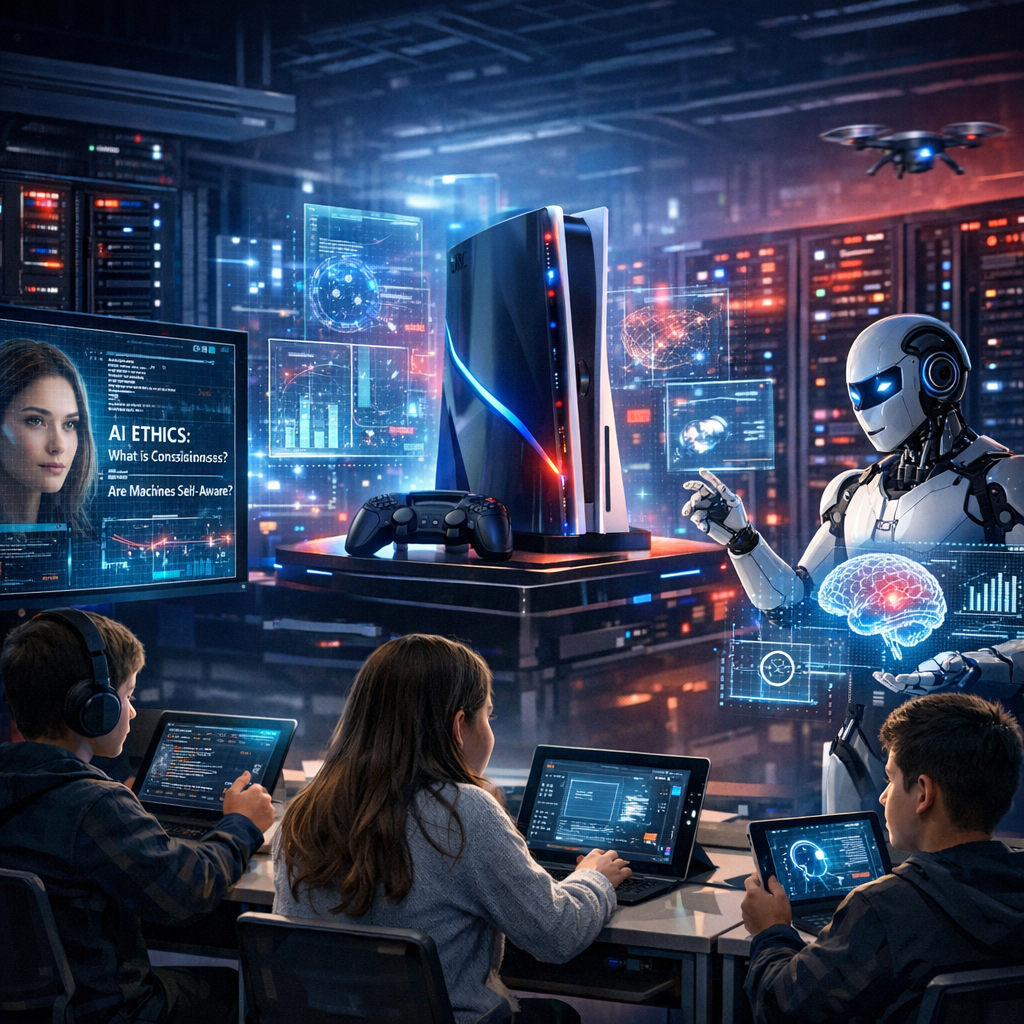
Sony's Streaming Surge, Opposition to Data Centers, and the AI Workload Paradox
Related Analysis
In a world where technology is advancing at an unprecedented pace, gaming consoles, data centers, and artificial intelligence in education are at the forefront of innovation and controversy. This article delves into three significant developments in these areas, highlighting their implications and the growing discourse around them.
Sony Expands Its Reach with Free TV Channels on PS5
In a bold move to enhance its PlayStation 5 offering, Sony has introduced ad-supported streaming channels to its console users in the United States. This development marks a significant step in the console's evolution from a gaming-focused device to a comprehensive entertainment hub. By integrating free TV channels, Sony is not just catering to gamers but also tapping into the broader market of cord-cutters and streaming enthusiasts.
For users, this means access to a variety of content without the need for additional subscriptions, potentially increasing the PS5's appeal in an already competitive market. This strategic expansion could influence other console manufacturers to consider similar integrations, as the battle for living room dominance intensifies.
"The integration of free TV channels into the PS5 is a game-changer, not just for Sony but for the entire console industry," said a leading industry analyst.
As the lines between gaming and general entertainment continue to blur, Sony's initiative could set a precedent for future developments in the console ecosystem. The success of this venture could also encourage further collaborations between tech companies and content providers, reshaping the entertainment landscape.
Proposed Data Centers Face Growing Opposition in the UK
In Scotland, a proposal for what would be the world's second-largest data center has met with significant resistance. This opposition is not an isolated incident but part of a broader trend across the United Kingdom, where data centers are increasingly facing pushback from local communities.
Concerns range from environmental impact and energy consumption to the disruption of local landscapes. These data centers, crucial for supporting the country's digital infrastructure and AI ambitions, are now at the center of a heated debate that pits technological progress against environmental and community welfare.
The controversy surrounding these centers could pose challenges for the UK government's plans to position itself as a leader in artificial intelligence and digital innovation. With AI's reliance on vast amounts of data and computing power, the need for expansive and efficient data centers is undeniable. However, finding a balance between technological advancement and sustainable practices is proving to be a complex and contentious issue.
"We cannot ignore the impact these massive structures have on our environment and communities," said a spokesperson for a local environmental group. "There needs to be a more sustainable approach to supporting our digital future."
As the debate continues, stakeholders are calling for more comprehensive planning and consultation processes to address both the needs of the tech industry and the concerns of the public. The outcome of this discourse will likely shape the future of data infrastructure projects in the UK and beyond.
AI in Education: A Double-Edged Sword for Teachers
Artificial intelligence is rapidly becoming a staple in educational settings, offering tools and solutions that promise to revolutionize teaching and learning. However, while many teachers are becoming more adept at using AI, the anticipated reduction in workload has yet to materialize for most.
Despite the potential of AI to automate administrative tasks and streamline lesson planning, only a third of teachers report a decrease in their working hours. The integration of AI tools often requires significant time investment to learn and implement effectively, which can initially add to teachers' workloads rather than reduce them.
This paradox highlights a critical gap between the theoretical benefits of AI in education and the reality faced by educators in the classroom. The promise of AI as a workload-reducing agent remains largely unfulfilled, as teachers grapple with the dual challenges of managing traditional responsibilities and mastering new technologies.
"AI has incredible potential in education, but without proper support and implementation strategies, it can become just another burden for teachers," commented an educational technology expert.
To truly harness the benefits of AI, there is a pressing need for more targeted training and resources for teachers, ensuring that they are equipped to integrate these tools effectively. Additionally, ongoing research and dialogue are essential to refine AI applications in education, aligning them more closely with the needs and realities of educators.
Conclusion: Navigating the Future of Technology
As we look towards the future, it's evident that the intersection of technology and society will continue to present both opportunities and challenges. Sony's expansion into streaming, the contentious rise of data centers, and the complex role of AI in education exemplify the dynamic nature of technological progress.
Each of these developments offers a glimpse into the potential of technology to transform our lives, while also underscoring the importance of thoughtful and inclusive approaches to innovation. By addressing the concerns and aspirations of all stakeholders, we can work towards a future where technology serves as a catalyst for positive change, rather than a source of division.