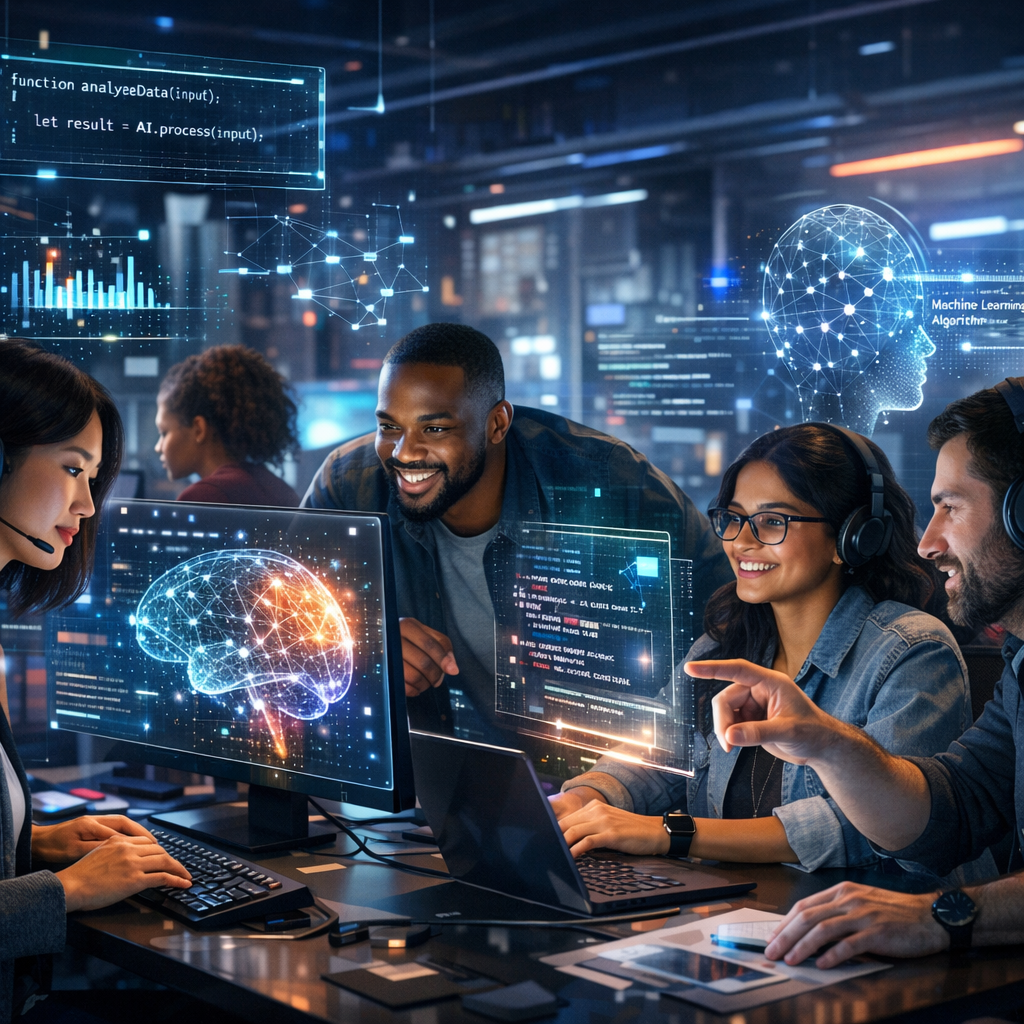
The Changing Landscape of Coding: The AI Dependency Dilemma
Related Analysis
As we traverse through 2026, the landscape of coding is undergoing a significant transformation, driven by the relentless advancement of artificial intelligence. Coders across the globe are increasingly relying on AI tools to expedite the coding process, allowing them to produce code at unprecedented speeds. However, this dependency on AI is not without its challenges and potential pitfalls that could have long-term implications for the coding industry.
The Rise of AI in Coding
In recent years, AI-powered tools have become an integral part of the coder's toolkit. These tools offer features such as code completion, error detection, and even automatic code generation, significantly reducing the time and effort needed for coding. As a result, developers can focus more on higher-level problem solving and innovation. However, the speed and efficiency offered by AI come with concerns about the quality and integrity of the produced code.
Researchers have raised alarms about the potential for AI-generated code to be less robust and more error-prone compared to human-written code. This is particularly worrisome in critical applications where the reliability of code is paramount. The reliance on AI could lead to a decrease in the coder's ability to produce high-quality code independently, as their skills may atrophy over time without regular practice.
Long-Term Implications for Coders
The long-term implications of this AI reliance are multifaceted. On one hand, coders who embrace AI tools can stay competitive in a fast-paced industry by delivering projects more quickly. On the other hand, there is a risk that these coders may become overly reliant on AI, losing the ability to troubleshoot and innovate independently. This could lead to a scenario where coders are less adaptable and more vulnerable to changes in AI technology.
"The danger lies in the potential loss of coding skills and critical thinking abilities," warns Dr. Jane Harper, a leading AI researcher. "As coders become increasingly dependent on AI, they might find themselves at a disadvantage if the technology were to fail or become obsolete."
Balancing AI Use with Skill Development
To mitigate these risks, it is crucial for coders to balance their use of AI with ongoing skill development. This involves continually honing their coding skills, staying updated with industry trends, and understanding the underlying algorithms that power AI tools. By doing so, coders can ensure they remain valuable assets to their teams and organizations, regardless of technological advancements.
Moreover, educational institutions and coding bootcamps are recognizing the importance of teaching students not only how to use AI tools effectively but also how to maintain a strong foundation in traditional coding skills. This dual approach will prepare the next generation of coders to thrive in an AI-enhanced environment.
The Role of Organizations in Shaping the Future
Organizations also play a pivotal role in shaping the future of coding in an AI-driven world. By fostering an environment that encourages continuous learning and innovation, companies can empower their developers to leverage AI tools effectively while maintaining their coding prowess. This includes providing access to training resources, promoting knowledge sharing, and encouraging a culture of experimentation.
As the coding industry continues to evolve, it is essential for both coders and organizations to navigate the challenges and opportunities presented by AI thoughtfully. By striking a balance between leveraging AI for efficiency and preserving the core skills of coding, the industry can ensure a sustainable and innovative future.
Conclusion
The integration of AI into the coding process is an inevitable and exciting development in the tech industry. While it offers numerous benefits, it also presents challenges that cannot be overlooked. Coders must remain vigilant in maintaining their skills and adaptability, while organizations should support their workforce in this endeavor. By doing so, the coding community can harness the power of AI without sacrificing the quality and integrity of their work.
In the ever-evolving world of technology, the key to success lies in balancing innovation with skill preservation—ensuring that coders are not merely operators of AI tools, but skilled creators capable of driving the industry forward.